Decor for Food Design Review
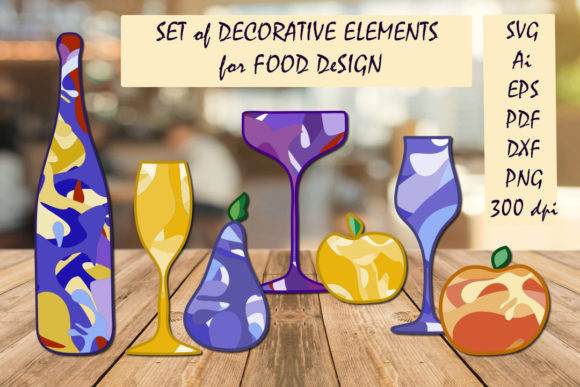
As a designer and embroidery product reviewer, I often find myself evaluating digital files for their real-world usability. Decor for Food Design caught my attention because of its potential to add a whimsical touch to a wide range of projects. This set of decorative items is described as versatile, with vector elements in EPS format that can be used for calendars, menus, stickers, greeting cards, signs, mugs, and more. But how does it hold up when stitched onto fabric?
The First Impression
From the moment I opened the file, I noticed the design’s clean lines and playful food-themed motifs. The shapes are well-proportioned, and the layout feels intentional—perfect for adding visual interest without overwhelming the space. The theme is warm and inviting, making it ideal for kitchen-related items, seasonal gifts, or even personalized apparel.
The detail level is moderate, which means it’s not overly complex but still has enough texture to make an impact. It seems to lean toward a modern, minimalist aesthetic rather than something ornate or intricate. That makes it a good fit for custom apparel, tote bags, or baby items where clarity and simplicity are key.
Real-Life Embroidery Use Cases
Imagine you're working on a custom embroidered tote bag for a client who wants a unique, handmade feel. Decor for Food Design could be a great addition. The motifs would look nice on a cotton canvas tote, especially if paired with a few contrasting thread colors. It also has the potential to stand out on sweatshirts, aprons, or pillow covers, where the design can be seen from a distance.
For baby items, such as onesies or blankets, the design could be used as a subtle applique or satin stitch element. It’s not too busy, so it won’t overwhelm a delicate garment. On the other hand, if you’re looking to create a holiday gift, like a festive mug or a printable sign, the design could be adapted into a sticker or printed graphic with ease.
One thing to note is that the design works best on flat surfaces. If you're trying to stitch it onto a curved surface like a cap or a hat, the details might get distorted. That’s something to keep in mind if you're planning to use it for caps or hats.
Where to Be Cautious
While Decor for Food Design is versatile, there are some situations where it might not perform as well. For instance, if you're using small hoop sizes, the design might be too large or require multiple hooping steps. That could be a hassle for quick projects or for those who prefer one-step stitching.
Thin or stretchy fabrics could also pose a challenge. The design’s stitch density isn’t extremely high, but if the fabric isn’t stable, the stitches might pucker or lose definition. Dark fabrics may also affect the visibility of the design, especially if the thread color doesn’t contrast well.
Additionally, if you're working with layered garments or textured fabrics, the design might not sit as smoothly as you'd like. It's always a good idea to test it on scrap fabric first to see how it looks before committing to a finished product.
Impact on Visual Appeal and Customer Perception
When it comes to visual appeal, Decor for Food Design adds a fun and recognizable element to any project. It’s the kind of design that can catch a customer’s eye and make them curious about the story behind it. Whether it's a personalized gift or a small shop product, the design can help elevate the overall presentation.
Stitching clarity is another important factor. If the design is too dense or too sparse, it can affect the final look. With Decor for Food Design, the balance seems just right. It has enough detail to be visually interesting but not so much that it becomes difficult to stitch or wears out quickly.
For small business owners and Etsy sellers, this design could be a valuable asset. It’s easy to adapt for different products, and its theme is broad enough to appeal to a variety of customers. However, it’s important to ensure that the design aligns with your brand’s identity and that it’s presented in a way that reflects your craftsmanship.
Practical Designer Notes
Before using Decor for Food Design in a commercial project, I recommend testing it on different fabric types. Check how the thread colors interact with both light and dark backgrounds. Also, review the stitch density to make sure it’s appropriate for the fabric you're using.
Make sure the hoop size is suitable for the design. If it’s too large, you might need to break it into sections. Always use the right stabilizer for the fabric type—especially for stretchy or thin materials. And don’t forget to inspect small details like corners or lettering to ensure they come out sharp and clear.
If you're creating a printable mockup or a digital product preview, test the design in black and white to see how it looks without color. This can help you decide if additional adjustments are needed before selling it to others.
Lastly, confirm the licensing terms if you plan to sell finished products or digital files. Even though the description mentions it's easily scalable, it’s always best to double-check what you’re allowed to do with the design.
Final Thoughts
Decor for Food Design is a solid choice for designers looking to add a playful, food-themed element to their work. It’s well-suited for custom apparel, tote bags, baby items, and holiday gifts. While it has some limitations, particularly with smaller hoop sizes or certain fabric types, it offers a lot of flexibility for creative entrepreneurs and crafters.
As long as you take the time to test it and adjust for your specific needs, this design can be a valuable addition to your embroidery project library. Whether you're an Etsy seller, a small shop owner, or just a hobbyist, it’s worth considering for its versatility and visual appeal.