Childhood: Graphics and Patterns for Cozy Design
As a designer who regularly works with branding, packaging, and digital assets, I always look for design elements that bring warmth and personality to a project. Childhood is one such asset that offers a soft, nostalgic feel perfect for seasonal campaigns, handmade brands, and creative marketplaces.
The First Impression of Childhood
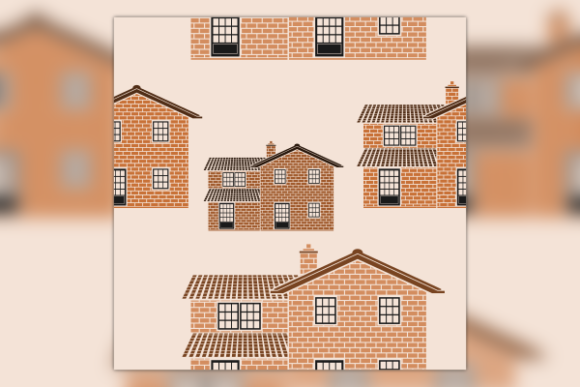
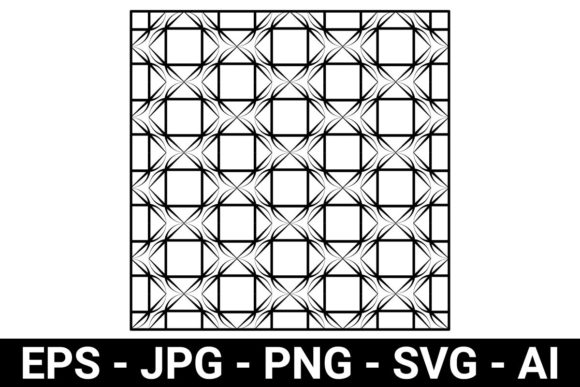
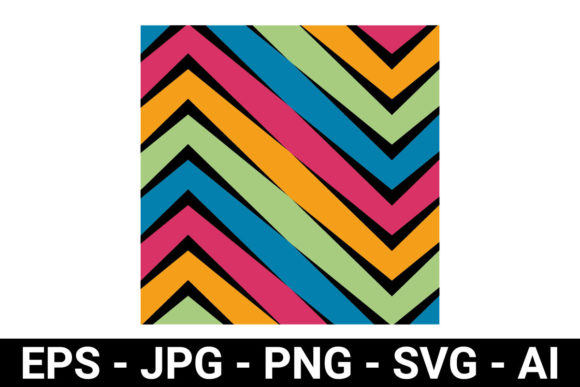
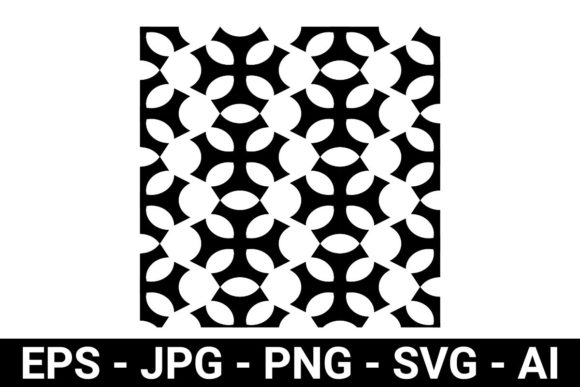
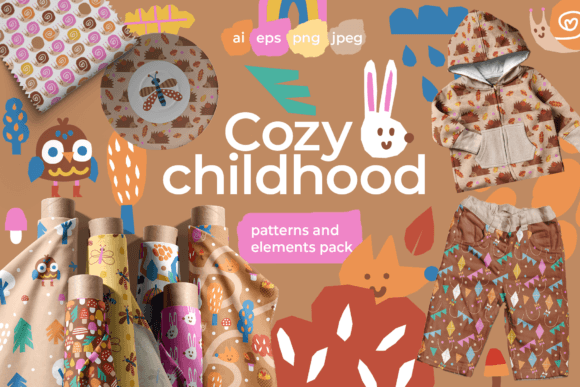
Upon first glance, Childhood exudes a cozy, whimsical vibe. The 12 patterns are charmingly simple, featuring motifs like snowflakes, stars, and small animals that evoke a sense of comfort and familiarity. These graphics feel handcrafted, making them ideal for projects targeting families, children’s products, or any brand aiming to create a warm, inviting atmosphere.
The 69 design elements add versatility, offering everything from subtle textures to bold illustrations. Whether used as prints on t-shirts or as decorative accents in social media posts, Childhood provides a cohesive visual language that feels both modern and timeless.
How Childhood Performs in Real Design Situations
In practical design scenarios, Childhood shines when used in larger layouts where its details can breathe. For instance, in a packaging design for a seasonal product, the patterns can be used as background textures or as part of a product mockup. They also work well in social media graphics, especially for Instagram posts or Pinterest pins that aim to create an emotional connection with the audience.
For print-on-demand sellers, Childhood is a valuable design bundle. Its clean lines and limited color palette make it easy to adapt to different materials, whether it's a t-shirt design, mug design, or stickers. The asset also integrates smoothly into Canva templates and Cricut projects, making it accessible for both seasoned designers and hobbyists.
Where Childhood Works Best
Childhood excels in areas that benefit from a decorative, thematic approach. It’s perfect for editorial design in seasonal magazines, blog visuals, or website graphics that aim to create a welcoming digital space. In brand identity projects, it can serve as a supporting element, adding character without overwhelming the main message.
The asset also works well in handmade business contexts, such as Etsy shops or local event promotions. Its sublimation design potential makes it suitable for custom apparel, while its PNG design format allows for easy integration into various platforms.
Where to Use Childhood Carefully
While Childhood is visually appealing, it may not be the best fit for every project. In minimalist branding or professional corporate materials, its playful nature could clash with the desired tone. Similarly, using it in crowded layouts or on complex backgrounds might reduce its impact and readability.
For logo design or marketing visuals that require strong visual hierarchy, it’s better to use simpler, more structured elements. However, when used as a complementary graphic, Childhood can still add a touch of charm without compromising clarity.
The Impact of Childhood on Design Quality
One of the key considerations when using Childhood is how it affects visual hierarchy and brand consistency. When placed correctly, it enhances the overall mood of a design, reinforcing the emotional appeal of a project. This is especially important for small business branding or local event promotions, where the visual identity plays a crucial role in audience engagement.
It also contributes to visual trust and recognition. A well-chosen pattern or illustration can make a design feel more polished and professional, even if it’s for a personal or small-scale project. By selecting the right elements from Childhood, designers can elevate their work without overcomplicating the message.
Practical Designer Notes on Using Childhood
Before finalizing Childhood for a client project, I recommend testing it in various formats. For example, check how it looks in black and white to ensure it maintains its visual interest. Also, preview it on both light and dark backgrounds to confirm that the contrast is appropriate for the intended use.
It’s also essential to test the asset at different sizes. While Childhood works well in large layouts, it may lose detail when scaled down. If used in printable design or digital ads, ensure that the resolution is high enough to maintain quality.
Additionally, review the file formats provided. If the asset includes SVG design or PNG design, check the editability and transparency options. For commercial license compliance, confirm that the asset is suitable for the specific use case, especially if it’s for a client or a digital product.
Why Childhood Is a Valuable Creative Asset
Childhood is more than just a set of patterns and graphics—it’s a tool that can help designers create a cohesive, emotionally resonant visual language. Whether you're working on a seasonal campaign, a handmade brand, or a print-on-demand product line, this asset offers flexibility and charm that can enhance your creative process.
By understanding its strengths and limitations, designers can make informed decisions about how to use Childhood in real client projects. With careful consideration, it can become a powerful addition to any creative marketplace or design portfolio.