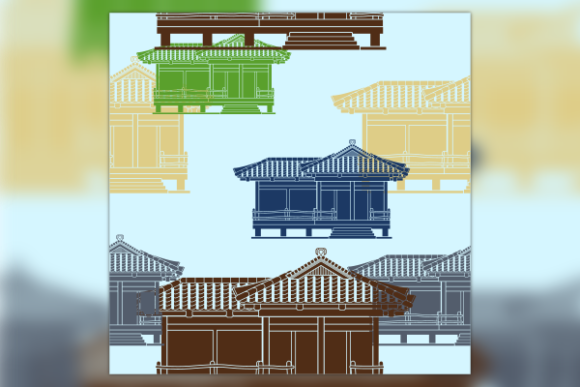
Japanese Traditional House Pattern Graphics and Patterns
As a brand designer who has worked with countless small businesses, I’ve come to appreciate the power of visual storytelling. The Japanese Traditional House Pattern is one such graphic design asset that offers a unique blend of cultural authenticity and modern versatility. When used thoughtfully, it can elevate a brand’s identity and create a strong emotional connection with customers.
First Impressions: Aesthetic and Brand Personality
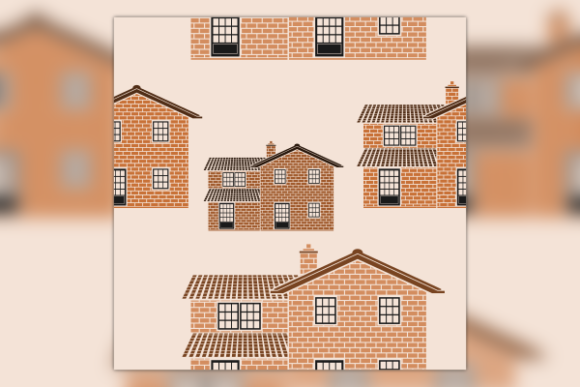
The Japanese Traditional House Pattern immediately evokes a sense of calm, simplicity, and craftsmanship. Its flat monochrome style with various color options makes it adaptable for different brand personalities. Whether you're aiming for a premium, handmade, or rustic feel, this pattern can be tailored to fit your vision.
This design asset suggests a brand that values tradition, nature, and subtle elegance. It's ideal for businesses looking to convey a sense of serenity, like a local tea shop, a handmade soap company, or a boutique offering organic skincare products.
Real-World Applications in Small Business Design
The Japanese Traditional House Pattern is incredibly versatile when it comes to small business branding. From logo design to product labels, this graphic design asset can serve as a foundational element in your brand identity. Its seamless pattern nature allows it to be used as a background, border, or decorative accent without overwhelming the overall composition.
For product packaging, this pattern can be used as a subtle background or an accent on the front panel. It adds visual interest without distracting from the product itself. In promotional materials like flyers, posters, and social media graphics, it can help create a cohesive look that reinforces brand recognition.
When designing for a bakery or coffee shop, the Japanese Traditional House Pattern can be incorporated into menu graphics, price lists, or even custom stickers. For a handmade soap business, it could appear on hang tags or thank-you cards, adding a touch of sophistication and cultural flair.
Supporting Business Presentation and Customer Trust
Using the Japanese Traditional House Pattern can significantly enhance a business’s presentation. A well-designed package with thoughtful visuals creates a stronger first impression, which is crucial in today’s competitive market. This pattern helps establish a clear visual hierarchy, making it easier for customers to navigate your brand’s message and offerings.
Consistent brand identity across all touchpoints—whether it's a product label, website banner, or social media post—builds trust and familiarity. The Japanese Traditional House Pattern supports this by providing a cohesive design element that ties together different marketing materials.
Improved shelf appeal is another benefit. A visually appealing package stands out among competitors, especially in retail environments where customers make quick decisions. This pattern can help your product catch the eye while maintaining a professional and polished look.
Where the Japanese Traditional House Pattern Works Best
This graphic design asset shines in applications where subtlety and aesthetics matter most. Product labels, for instance, can benefit from its clean lines and elegant form. Packaging accents, such as corner embellishments or borders, can add a touch of sophistication without overpowering the main design.
Hero graphics on websites or social media campaigns can use the Japanese Traditional House Pattern to create a striking visual anchor. Seasonal packaging, like holiday-themed boxes or limited edition products, can leverage the pattern to evoke a sense of occasion and cultural relevance.
In boutique visuals and promotional banners, the pattern adds a decorative yet professional touch. It’s also great for printable design elements like thank-you cards or seasonal greeting cards, reinforcing your brand’s personality in every interaction.
Where to Use the Japanese Traditional House Pattern Carefully
While the Japanese Traditional House Pattern is highly versatile, it’s important to use it judiciously. In formal corporate branding, where minimalism and clarity are key, this pattern may not be the best choice. It can compete with text if not properly balanced.
Very small labels or crowded product packaging may not allow enough space for the pattern to shine. Similarly, layouts that are already text-heavy or include legal information should avoid using this pattern in areas where it might interfere with readability.
Low-contrast backgrounds can make the pattern less visible, so testing it in different contexts is essential. Luxury minimalist brands often prefer clean, unadorned designs, and the Japanese Traditional House Pattern might not align with that aesthetic.
Practical Designer Notes for Real Business Projects
Before finalizing any design, I always recommend testing the Japanese Traditional House Pattern on real packaging mockups. This helps visualize how it will look in the physical world and ensures it meets your brand’s standards.
Check how it appears in black and white, as some businesses may need to print without color. Preview it on small labels to ensure it remains legible and doesn’t become too busy. Testing it with your brand colors will help maintain consistency across all materials.
Compare it with competitor packaging to ensure your design stands out. Review print quality, especially if you’re planning to use it for physical products. Inspect PNG transparency and SVG editability to confirm it meets your technical requirements.
Test it beside different font styles—serif, sans serif, script, handwritten, and display fonts—to see how they interact. And always verify commercial licensing before using it for client work, business branding, or physical product sales.
Conclusion: A Valuable Asset for Local Businesses
The Japanese Traditional House Pattern is more than just a graphic design asset—it’s a tool for storytelling and brand expression. Whether you're working on small business branding, product labels, or promotional visuals, this pattern can add depth and character to your creative projects.
By understanding its strengths and limitations, you can use it effectively to build a stronger brand identity, improve customer engagement, and create visually compelling marketing materials. For any local business looking to stand out in a crowded market, this pattern is worth considering as part of your design strategy.